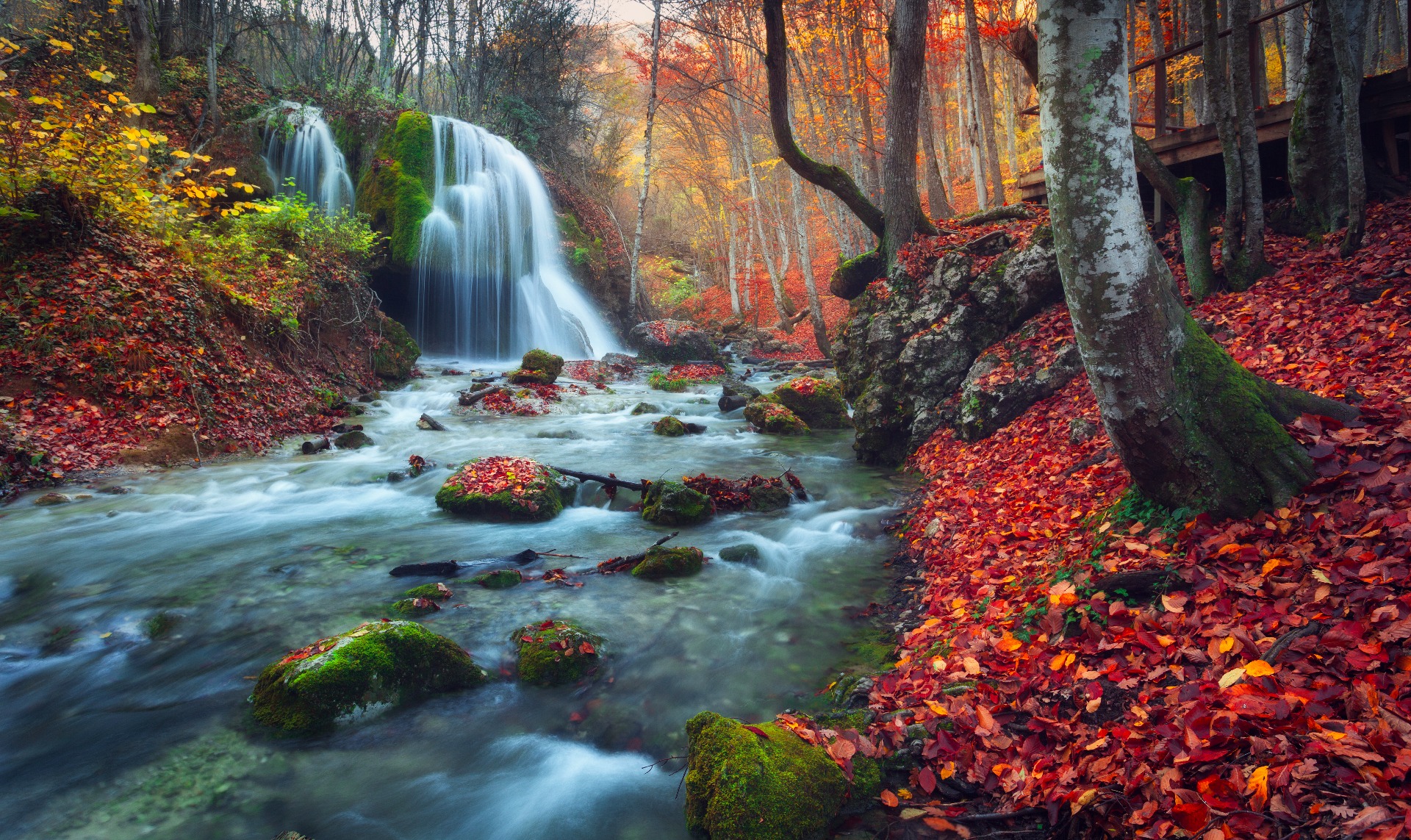
Drieň obyčajný: Všestranná drevina s bohatou históriou a využitím
Drieň obyčajný, ľudovo nazývaný aj „drienka“, patrí do čeľade drieňovité. Tento ker alebo malý strom rastie do 2 až 6 metrovej výšky a dožíva sa až 200-300 rokov. Je to obľúbená drevina, ktorá sa vysádza často na okrasné účely v záhradách, napríklad ako živý plot. Mnohí si ju ale práve naopak zaobstarajú z praktického hľadiska, teda kvôli plodom.
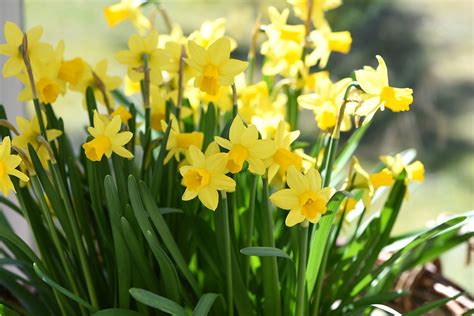
Drieň obyčajný patrí medzi úplne prvé stromy, ktoré na jar začínajú kvitnúť. Nápadný je svojimi žltými kvetmi, ktoré „svietia“ medzi ostatnými ešte sivastými odtieňmi prírody. V prírode ho preto objavíme veľmi jednoducho. Veľký význam má z tohto dôvodu aj v oblasti včelárstva, keďže je zdrojom peľu pre včely už koncom februára. Krík kvitne v marci, ešte pred rozvinutím listov a kvet dobre znáša aj jarné mrazy.
Plody drienky sú podlhovasté tmavočervené kôstkovice. Plody drieňa sú jedlé, obvykle sa spracovávajú do džemov, alebo pre výrobu destilátov. Obvykle sú červenej farby, ale existujú aj odrody so žltými plodmi. Chuť jedlých druhov je sladkokyslá až kyslá. Konzumácia čerstvých drienok podporuje trávenie, imunitu a dokonca aj odvodnenie tela. Plody sa používajú tiež na výrobu sirupov, džemov ale aj alkoholického nápoja Drienkovice. V kuchyni pripravíme z plodov drienky recepty, ktoré sú pre naše zdravie prospešné. Veľmi obľúbený je drienkový džem.
Nutričné hodnoty a zdravotné prínosy
Plody drienky sa vďaka obsahu nutričných látok zaraďujú na popredné miesto. Prospešný je najmä obsah vitamínu C. Obsahujú aj triesloviny, minerály a provitamín A. Cornelian cherry fruits, due to their high nutritional value and health-promoting properties, can be widely used in the food, pharmaceutical and cosmetic industries. The total sugar content ranges from 8.0 to 16.0%. The organic acid content ranges from 1.3 to 2.4%. The vitamin C content ranges from 101 to 193 mg%. The anthocyanin content ranges from 670 to 850 mg% in the peel and from 36 to 121 mg% in the pulp.
Plody drieňa sú ideálne na priamy konzum, obsahujú veľa vitamínov, minerálov, antokyánových farbív a polyfenolov. Pri dozrievaní plodov je potrebná dostatočná zálievka. Je možné ich aj zavárať, vyrábať šťavy, džemy, alebo likéry. Dajú sa skladovať asi mesiac bez straty kvality.
Cornelian cherry fruits are a concentrated source of health. Their greatest treasure is an extremely high vitamin C content (140-150 mg/100 g), three times more than oranges. The deep red skin color signals a high concentration of anthocyanins (120-130 mg/100 g). Cornelian cherry is highly valued in diabetic diets. Thanks to a unique combination of organic acids and iridoids, it helps stabilize blood sugar levels and increases insulin sensitivity.
Odolnosť a nároky na pestovanie
Táto drevina má veľkú výhodu v tom, že sa jej darí aj na miestach, kde by pravdepodobne iné kry a stromy nerástli. Je odolná voči chorobám, škodcom a dobre znáša sucho i mrazy. Prednosťou drieňa sú jeho nízke nároky na pestovanie, značná odolnosť voči suchu, chorobám a škodcom. Cornelian cherry is rarely attacked by pests and diseases and can be grown with minimal use of chemicals. It is also resistant to frost and drought and does not require much care.
Pri pestovaní vyberte pre drieň slnečné miesto s veľmi dobre priepustnou pôdou, najradšej zásaditej, prípadne neutrálnej reakcie. Ak hodláte pestovať driene hlavne pre plody, vyplatí sa mať v blízkosti aspoň dve odrody, či dva semenáče. U drieňov existuje pomerne veľké množstvo kultivarov, ktoré sú z veľkej časti poľského či ukrajinského pôvodu. V týchto krajinách sa driene oddávna pestovali ako cenné ovocné dreviny. Pre drieň vyberajte miesto zodpovedne, v neskoršom veku presádzanie už neznáša príliš dobre.
Cornelian cherry is exceptionally undemanding and adaptable. Although it naturally tolerates partial shade, a sunny location - ideally with southern or southwestern exposure - is key to achieving top yields and high sugar content in the fruits. As for soil, it prefers alkaline, well-drained, humus-rich soils with sufficient calcium. Once established (well-rooted), it tolerates drought very well, yet it also prospers in moderately moist conditions. The only soils to avoid are permanently waterlogged, heavy, and acidic ones.
Drevo a jeho využitie
Drevo drienky je tvrdé a v oblasti rezbárstva veľmi cenené. Vo veľkej miere je odolné voči vode a hnilobe. Najmä v minulosti bol z drienky strom veľmi populárny, pretože jeho drevo sa využívalo ako materiál na výrobu bičov, rôznych kolov a pracovných násad. Drieň bol hlavne v minulosti mimoriadne cenený aj pre svoje extrémne tvrdé drevo, ktoré sa používalo na výrobu namáhaných prvkov pri výrobe kolies a vozov, ale i všade tam, kde bola tvrdosť dreva dôležitá pre funkčnosť a životnosť drevených nástrojov.
Druhy a odrody
Drieň obyčajný vyrastá do výšky 2-6 metrovej. Korunka je široká, nepravidelná. Preto je možné ho pestovať aj vo forme stromu so širokou a nepravidelnou korunou. Cornus mas alebo Drieň obyčajný je samoopelivý ovocný poloker, ktorý však vďaka svojej dlhovekosti dorastá až do výšky 7 metrov.
Medzi najznámejšie odrody drienky zaraďujeme odrodu „Devín“, ktorá sa vyznačuje vysokou a pravidelnou rodivosťou. Z jedného kra tejto odrody je možné získať až 35 kilogramov plodov. Ďalšou, o niečo vyššou odrodou, je druh „Titus“. Skvele znáša aj chladnejšie počasie v podhorských oblastiach. Odroda „Alex“ je čiastočne cudzopelivá. Z tohto dôvodu je treba použiť pri vysádzaní viacero odrôd.
Odroda drieňa PIONEER patrí medzi stredne skoré odrody, dozrieva na konci augusta. Odroda je veľmi úrodná, jeden dospelý strom nám prinesie až 40kg plodov. Raciborski je Poľská odroda drieňa. Má atraktívne plody, výbornú chuť, výborné vlastnosti. Veľkoplodá Ukrajinská odroda drieňa Radosť má výbornú chuť, podľa čoho dostala aj názov.
V roku 1989 boli zaregistrované dve odrody, Devín a Titus, ktoré vznikli selekciou z prírodného materiálu z lokalít Vihorlat, Strážovská hornatina a Moravské podhorie. V roku 2001 boli zaregistrované odrody Alex a Expres, ktoré vznikli krížením selekcií prírodných populácií druhu z lokalít obcí Dolné Vestenice a Horné Vestenice a následnou selekciou v hybridnom potomstve. V roku 1991 bola zaregistrovaná odroda Joliko, ktorú vyšľachtil Dr. Helmut Pirc z Rakúska. Odroda Joliko, známa bohatými úrodami a veľkými plodmi, sa pestuje hlavne v Rakúsku, Nemecku a Švajčiarsku. V roku 1992 bola vo Francúzsku zaregistrovaná odroda Matador.
Koralovy Marka (Кораловий Марка) má veľké koralovo-ružové plody. Semyon (Семён) je jednou z najcennejších odrôd v zbierke. Elegantny (Елегантний) je trpasličí ker s výškou 1,5-1,8 m s kompaktnou korunou, ktorého atraktívne fľaškovité plody vážia až 9 gramov, majú výraznú chuť a po dozretí sa dajú skladovať asi mesiac. Bukovinsky (Буковинський) je skorá odroda s valcovitými plodmi jasnej žltej farby a vynikajúcou sladkou chuťou. Nezhny (Ніжний) a Yantarny (Янтарный) majú žlté plody a sú obzvlášť zaujímavé. Jedna z nich bola zaradená do štátneho programu testovania odrôd.
Plody žltého drieňa majú rovnaký tvar a veľkosť ako červené plody. Rozdiely sú, samozrejme, vo farbe, ktorá je atraktívna jantárovo-žltá. Plody sa vyznačujú vynikajúcou sladkou chuťou. Odrody so žltými plodmi sa pravdepodobne už vo voľnej prírode nevyskytujú. Odrody Svetlyachok (Світлячок) a Exotichesky (Екзотичний) vznikli ako výsledok somatických mutácií.
Drieň obyčajný, rovnako ako iné ovocné stromy, má vysoký stupeň somatickej variability, ktorá môže poskytnúť nový materiál pre šľachtenie a selekciu. Šľachtenie založené na somatickej variabilite sľubuje, že bude rovnako dôležité ako tradičné šľachtiteľské techniky. Radost (Радість) má oválne plody, ktoré zostávajú na kríku aj po dozretí. Vydubecky (Видубицький) bol pomenovaný po Vydubytskom kláštore v Kyjeve. Vladimirsky (Володимирський) je jednou z najproduktívnejších odrôd veľkoplodých drieňov s najväčšími plodmi.
Physalis džem | Physalis jam
The Cornelian cherry (Cornus mas) has been revered for centuries for its unbreakable vitality and healing power. This precious woody plant, native to Central and Southern Europe and regions of Asia Minor, has long been a part of monastery gardens and royal orchards. A symbol of longevity that can live up to 300 years, it is now experiencing a magnificent revival. For the modern gardener, it represents the perfect combination of aesthetics and utility - in early spring it enchants with a profusion of yellow blossoms as one of the first nectar-producing plants, and in autumn it rewards with fruits that rank among the most nutritionally valuable in our climate zone.
The planting hole should be 40-50 cm deep and 50-80 cm wide, depending on the size of the plant. Plant at the same depth as in the container - planting too deeply may delay fruiting. If the plant is grafted onto a rootstock, the graft union must remain above ground after planting. Add compost to the planting hole, and if the soil is acidic, do not forget ground limestone to provide a strong start.
Cornelian cherry belongs to woody plants that greatly benefit from symbiosis with mycorrhizal fungi. This natural partnership involves fungi enveloping the plant’s roots and creating a dense network of filaments that significantly enlarges the absorption area of the root system. Applying mycorrhizal products directly to the roots during planting accelerates establishment, improves nutrient uptake (especially phosphorus), and significantly increases drought resistance.
The plant develops a rich, heart-shaped root system. While deep anchoring roots ensure stability and access to moisture during dry periods, a dense network of fine feeder roots is located just below the surface. For this reason, deep hoeing around the trunk is not recommended, as it could damage these sensitive roots. The ideal solution is regular mulching with a layer of wood chips, bark, or a combination of geotextile and mulch.
Although Cornelian cherry is known for its drought tolerance, regular watering is crucial for high yields and large, juicy fruits, especially during fruit swelling from June to August. Adequate moisture during this critical period determines whether the fruits will be full of juice or small and shriveled. Water deficiency also negatively affects not only fruit quality in the current year but also flower bud formation for the next season.
Cornelian cherry is not nutrient-demanding, but professionals know that balance is key. In early spring, incorporate two shovels of well-rotted compost into the topsoil or a handful of granulated manure and add two handfuls of wood ash. During the growing season, avoid excess nitrogen, which suppresses fruit formation. Instead, after flowering, focus on foliar feeding with boron, the best prevention against a common gardener’s problem - massive drop of young fruits.
If you have naturally acidic soil, supplement calcium every 2-3 years in autumn to maintain optimal pH for nutrient uptake. You may use ground limestone, which quickly adjusts pH, or even better, dolomitic limestone. It dissolves more slowly and, besides calcium, supplies magnesium, the engine of photosynthesis responsible for deep green leaves. Combining calcium and fertilizer: Never apply calcium at the same time as manure or nitrogen fertilizers. The chemical reaction causes valuable nitrogen to escape into the air, reducing fertilization effectiveness. Ignoring soil pH: In acidic conditions, nutrients remain locked in the soil even if applied. Applying fertilizer at the trunk: Spreading fertilizer directly at the trunk base can burn sensitive bark at the root collar and open the way to infections and rot.
A common question among beginners is when to expect the first fruits. The answer depends mainly on propagation method. If you purchase a grafted variety, the first flowers and fruits usually appear in the 2nd or 3rd year after planting. Seedlings, however, grow more slowly and enter fruiting much later, typically in the 6th to 10th year. Full, stable yield in bred varieties comes around the 10th to 12th year, when a mature shrub can produce dozens of kilograms of fruit annually. The older the plant, the more it slows vegetative growth and focuses energy on fruit production.
Cornelian cherry ripens from August to September and requires patience. Fruits are initially firm and astringent. True sweetness and full aroma develop only at full ripeness, when fruits soften and fall naturally from the tree. The best harvesting method is to spread sheets under the shrub and shake branches every 2-3 days. If harvested slightly before full ripeness, allow fruits to rest at room temperature for 2-4 days until fully softened and their astringency subsides.
Young trunks are highly attractive to wildlife, especially deer and hares. The bark is juicy and nutritionally rich, making it a prime winter target. Without adequate protection, animals may irreversibly damage young trees by gnawing the bark. Immediately after planting, install mechanical trunk protection-sturdy plastic guards or wire mesh.
Cornelian cherry can be grown in two basic forms: as a freely growing multi-stem shrub or as a tree with a high trunk. Tree form: If you plan regular mowing or walking beneath the plant, this form is recommended. Gradually remove all side shoots up to a height of 80-100 cm to create a clean trunk and elevated crown. This process takes 2-3 years until the trunk strengthens sufficiently.
Cornelian cherry naturally grows into a beautiful, symmetrical shape and tolerates pruning well, although it requires only minimal intervention. In early years, perform formative pruning to establish a strong trunk or main scaffold branches. In mature plants, limit pruning to maintenance and thinning-removing dry, damaged, or inward-growing branches. The best time for pruning is late winter before bud break, while the plant is dormant.
Cornelian cherry is one of the most resilient fruit trees. It tolerates extreme frost down to -30 °C to -35 °C, making it ideal even for higher elevations and colder regions. Particularly valuable is its flower resistance to spring frost. Although it blooms very early, flowers withstand short-term drops to -7 °C.
Red varieties (e.g., Lukyanovsky, Szafer, or Vladimirsky) produce jam with a deep, sparkling ruby color and noble, refreshing acidity reminiscent of wild cranberries with a subtle cherry finish. It is an indispensable companion to dark meats, especially game, duck, or beef steak, replacing traditional cranberry sauces. Yellow varieties (e.g., Yantarny Neshny or Bukovinsky) are true rarities. They create unique yellow jams and jellies with honey-amber color and apricot-pineapple undertones, luxurious both in taste and appearance.
To preserve maximum vitamin C and antioxidants, cold processing is ideal. Crush fruits, cover with sugar (or pour over honey), and macerate in the cold for 24-48 hours. After filtering, you obtain a thick, aromatic syrup-an excellent base for homemade lemonade or a morning immune booster.
For something truly exceptional, try pickled Cornelian cherries. Harvest firm, unripe fruits (green-yellow to pinkish). Yellow large-fruited varieties (e.g., Yantarny) create especially luxurious appetizers. Their bright amber color and elegant shape look exquisite on festive platters.
Pour hot brine (40-50 g salt per 1 liter water).
Authentic Cornelian cherry brandy is among the rarest and most valuable spirits in the world. Harvest fruits at full ripeness when they fall naturally and contain maximum sugar. Fermentation must proceed slowly under controlled temperature to preserve delicate almond notes from the stones and characteristic fruity freshness. The result is a distillate with unmistakable pure aroma and long, noble finish.
Growing Cornelian cherry is not only about harvesting delicious fruits but about returning to nature and enduring traditions. Whether you choose ruby jam, exclusive “olives,” or precious brandy, this undemanding woody plant will reward your care a hundredfold.